When most people think about HVAC systems, they focus on temperature control – staying cool in summer and warm in winter. But your heating and cooling system plays a crucial role in something equally important: the quality of the air you breathe. The average American spends approximately 90% of their time indoors, where pollutant concentrations can be 2 to 5 times higher than outdoor levels.
Your HVAC air filter is your first line of defense against indoor air pollutants. Yet, it's also one of the most misunderstood and neglected components of your system. In this comprehensive guide, I'll explain everything you need to know about air filters, MERV ratings, and how to create a healthier indoor environment for your family.
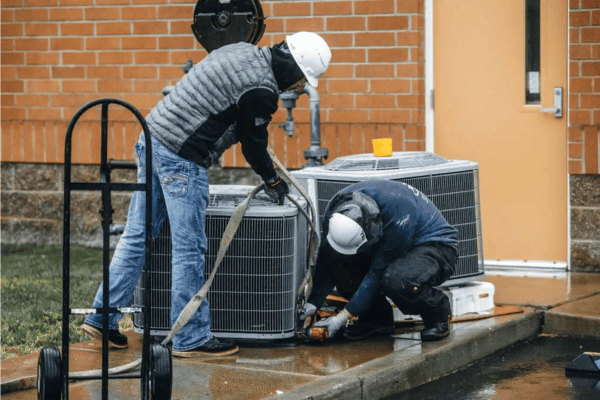
A clean, high-quality air filter is essential for both system efficiency and healthy indoor air
Why Indoor Air Quality Matters
Before diving into filters, let's understand what's at stake. Poor indoor air quality has been linked to numerous health issues:
- Short-term effects: Eye, nose, and throat irritation; headaches; dizziness; fatigue
- Long-term effects: Respiratory diseases, heart disease, and even cancer
- Aggravated conditions: Asthma, allergies, and other respiratory problems
- Cognitive impacts: Reduced concentration and productivity
Common indoor pollutants include dust, pollen, pet dander, mold spores, bacteria, viruses, tobacco smoke, volatile organic compounds (VOCs) from household products, and even microscopic particles from cooking and cleaning.
🏥 Health Priority Groups
Certain populations are especially vulnerable to poor indoor air quality: children (whose lungs are still developing), elderly individuals, people with asthma or allergies, and those with compromised immune systems. If anyone in your household falls into these categories, air filtration should be a top priority.
Understanding MERV Ratings
MERV stands for Minimum Efficiency Reporting Value. Developed by the American Society of Heating, Refrigerating and Air-Conditioning Engineers (ASHRAE), this rating system measures how effectively a filter captures particles of different sizes.
The MERV scale runs from 1 to 20, with higher numbers indicating better filtration. However, higher isn't always better – more on that later.
| MERV Rating | Particle Size Captured | Typical Applications | Best For |
|---|---|---|---|
| 1-4 | Pollen, dust mites, carpet fibers (>10 microns) | Residential window units | Minimal protection, equipment protection only |
| 5-8 | Mold spores, pet dander, dust (3-10 microns) | Standard residential, commercial buildings | Most homes, basic allergy relief |
| 9-12 | Legionella, humidifier dust, lead dust (1-3 microns) | Superior residential, better commercial | Allergy sufferers, pet owners |
| 13-16 | Bacteria, tobacco smoke, sneeze droplets (0.3-1 microns) | Hospital wards, surgery suites | Severe allergies, respiratory conditions |
| 17-20 | Virus carriers, carbon dust, sea salt (<0.3 microns) | Clean rooms, pharmaceutical manufacturing | Specialized applications (not residential) |
Types of HVAC Air Filters
Not all filters are created equal. Here's a breakdown of the most common types:
🥽 Fiberglass (Spun Glass) Filters
The most basic and inexpensive option, typically MERV 1-4. These flat, disposable panels consist of layered fiberglass fibers.
Pros: Very affordable, allow maximum airflow
Cons: Minimal filtration, frequent replacement needed
Best for: Equipment protection only, budget constraints
🧵 Pleated Media Filters
Made from polyester or cotton paper, these filters have more surface area due to their pleated design. They're the most popular choice for residential use.
Pros: Good balance of filtration and airflow, widely available
Cons: Higher cost than fiberglass, can restrict airflow in some systems
Best for: Most residential applications, allergy sufferers (MERV 9-12)
⚡ Electrostatic Filters
These filters use self-charging fibers that attract and trap particles through static electricity. Available in disposable and washable versions.
Pros: Good for capturing small particles, washable versions are eco-friendly
Cons: Washable versions lose efficiency over time, require maintenance
Best for: Environmentally conscious homeowners, those wanting reusable options
🔬 HEPA Filters
High-Efficiency Particulate Air filters capture 99.97% of particles 0.3 microns and larger. The gold standard for air filtration.
Pros: Superior filtration, excellent for allergies and asthma
Cons: Significantly restrict airflow, require system modifications
Best for: Standalone air purifiers, specialized HVAC systems designed for HEPA
🌿 Activated Carbon Filters
These filters contain activated carbon that absorbs odors, gases, and VOCs that mechanical filters can't capture.
Pros: Removes odors and chemicals, great for pet owners and smokers
Cons: Don't capture particles well, often combined with other filter types
Best for: Odor control, homes with pets, new construction off-gassing
Choosing the Right Filter for Your Home
Selecting the optimal filter involves balancing filtration needs with your HVAC system's capabilities. Here's how to decide:
Consider Your Household Needs
| Household Situation | Recommended MERV | Filter Type |
|---|---|---|
| No allergies, no pets | MERV 5-8 | Standard pleated |
| Mild allergies | MERV 8-10 | High-quality pleated |
| Pet owners | MERV 10-12 | Pleated or electrostatic |
| Severe allergies/asthma | MERV 11-13 | High-efficiency pleated |
| After home renovation | MERV 11-13 | High-efficiency + carbon |
| Smokers in home | MERV 10-13 + carbon | Carbon/premium pleated |
⚠️ Important: Check Your System's Specifications
Not all HVAC systems can handle high-MERV filters. Filters rated MERV 13 and above can restrict airflow in older or undersized systems, causing reduced efficiency, frozen coils, and premature equipment failure. Check your owner's manual or consult an HVAC professional before upgrading to a high-efficiency filter.
How Often Should You Change Your Filter?
The "change every 3 months" rule is a starting point, but your actual needs may vary significantly:
Factors That Affect Filter Lifespan
- Filter type: Fiberglass = 30 days; pleated = 60-90 days; high-capacity = up to 6 months
- Home occupancy: More people = more particles = faster clogging
- Pets: Each pet can reduce filter life by 30-50%
- Allergies: Allergy sufferers benefit from more frequent changes
- Construction nearby: Dust and debris accelerate filter loading
- System runtime: Heavy use seasons (summer/winter) require more frequent changes
- Air quality: Homes in dusty or polluted areas need more frequent changes
| Situation | Recommended Change Frequency |
|---|---|
| Basic fiberglass filter, no pets | Every 30 days |
| Pleated filter, no pets | Every 60-90 days |
| Pleated filter, 1 pet | Every 60 days |
| Pleated filter, multiple pets | Every 30-45 days |
| Allergy/asthma sufferers | Every 30-45 days |
| High-efficiency (MERV 11+) | Every 60-90 days |
| Vacation home (part-time use) | Every 6-12 months |
Beyond the Filter: Complete Indoor Air Quality Solutions
While your HVAC filter is important, it's just one component of healthy indoor air. Here are additional strategies:
1. Whole-House Air Purifiers
Installed directly into your HVAC system, these units provide filtration beyond what a standard filter can achieve:
- Media air cleaners: Oversized filters (4-5 inches thick) that last 6-12 months
- Electronic air cleaners: Use electrostatic attraction to capture particles
- UV germicidal lights: Kill bacteria, viruses, and mold on coils and in ducts
2. Humidity Control
Ideal indoor humidity is 30-50%. Too high promotes mold; too low causes respiratory irritation:
- Dehumidifiers: Essential in humid climates, basements, and during summer
- Humidifiers: Add moisture during dry winter months
3. Ventilation
Fresh air exchange is crucial. Modern homes are so well-sealed that pollutants can accumulate:
- Energy Recovery Ventilators (ERV): Exchange stale indoor air with fresh outdoor air while preserving energy
- Heat Recovery Ventilators (HRV): Similar to ERVs but focused on heat exchange
- Exhaust fans: Remove moisture and pollutants from kitchens and bathrooms
4. Source Control
The most effective air quality strategy is preventing pollutants at the source:
- Use low-VOC paints and building materials
- Don't smoke indoors
- Fix water leaks promptly to prevent mold
- Vacuum regularly with a HEPA-filtered vacuum
- Use exhaust fans when cooking
- Groom pets regularly
DIY Filter Replacement Guide
Changing your filter is one of the easiest and most important maintenance tasks. Here's how to do it right:
- Turn off your system – Prevent debris from being pulled into the system during change
- Locate the filter – Usually in the return air duct, blower compartment, or air handler
- Note the direction – Arrows on the filter frame indicate airflow direction (toward the blower)
- Remove the old filter – Have a bag ready; it's likely full of dust
- Check the size – Verify printed dimensions (e.g., 16x25x1) before installing new filter
- Install the new filter – Ensure arrows point toward the blower/furnace
- Mark your calendar – Note the change date for future reference
💡 Pro Tip: Set a Reminder
Most people forget to change filters. Set a recurring calendar reminder, use a smart home device, or subscribe to a filter delivery service that sends replacements on your schedule.
Want Better Indoor Air Quality?
Our HVAC professionals can assess your current filtration, recommend upgrades, and install whole-house air quality solutions tailored to your family's needs.
Schedule Air Quality AssessmentFinal Thoughts
Your HVAC air filter is a small component with a big impact. It protects your expensive equipment, reduces energy costs, and – most importantly – helps ensure the air your family breathes is as clean as possible.
Don't settle for the cheapest filter or forget to change it regularly. Invest in the right filtration for your needs, establish a maintenance schedule, and consider additional air quality solutions if your family has special health concerns.
Remember: you can't put a price on your family's health, but you can take simple, affordable steps to protect it. Start with your air filter – it's the foundation of healthy indoor air.