Buying a new HVAC system is one of the most significant investments you'll make in your home. With costs ranging from $5,000 to $12,000 or more, choosing the wrong system can mean years of discomfort, high energy bills, and expensive repairs. But with so many options available – furnaces, heat pumps, central air, ductless mini-splits – how do you know what's right for your home?
After helping thousands of homeowners navigate this decision, I've learned that the key is understanding your specific needs, your home's characteristics, and the climate you live in. This guide will walk you through everything you need to know to make an informed decision.
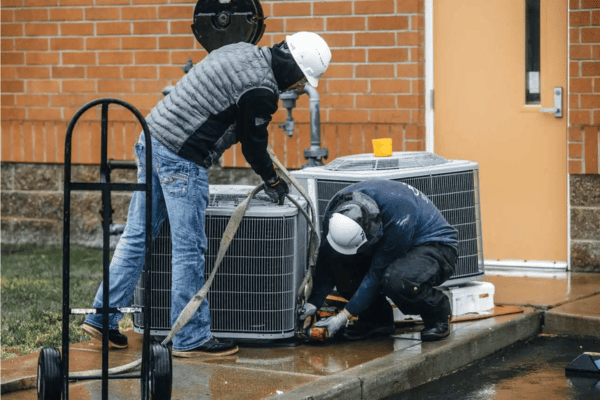
Choosing the right HVAC system requires careful consideration of your home's size, climate, and budget
Understanding HVAC System Types
Before diving into sizing and efficiency, let's clarify the main types of HVAC systems available to American homeowners:
🔥 Central Furnace + Air Conditioner (Split System)
The most common setup in American homes, combining a gas or electric furnace with a separate outdoor AC unit. The furnace handles winter heating, while the condenser unit provides summer cooling.
✓ Pros
- Reliable heating in cold climates
- Works with existing ductwork
- Lower upfront cost than heat pumps
- Long track record of reliability
✗ Cons
- Requires separate heating and cooling units
- Higher operating costs in moderate climates
- Needs ductwork (or installation)
- Gas furnaces produce carbon monoxide
🔄 Heat Pump (Air-Source)
Heat pumps provide both heating and cooling in one unit by transferring heat rather than generating it. They're incredibly efficient, especially in moderate climates.
✓ Pros
- One unit for heating AND cooling
- Up to 300% efficiency (moves 3x more energy than it uses)
- No combustion = no carbon monoxide risk
- Lower operating costs
✗ Cons
- Less effective below 30-40°F (needs backup heat)
- Higher upfront cost
- Outdoor unit runs year-round (more wear)
- May need defrost cycles in winter
❄️ Ductless Mini-Split Systems
These systems consist of an outdoor compressor and one or more indoor air handlers, connected by refrigerant lines. No ductwork required.
✓ Pros
- No ductwork needed (great for older homes)
- Zone control – heat/cool individual rooms
- Very energy efficient
- Easy installation
✗ Cons
- Indoor units visible on walls
- Higher cost per BTU than central systems
- May need multiple units for whole house
- Less effective in extreme cold
🔥 Boiler Systems (Hydronic Heating)
Boilers heat water and circulate it through radiators, baseboard heaters, or radiant floor systems. Some can also provide domestic hot water.
✓ Pros
- Comfortable, even heat (no drafts)
- Very quiet operation
- Excellent for radiant floor heating
- Long lifespan (20-30 years)
✗ Cons
- Heating only (need separate AC)
- Slower to respond than forced air
- Higher installation cost
- Requires separate cooling solution
Proper HVAC Sizing: Why Bigger Isn't Better
One of the most common mistakes homeowners make is assuming a bigger system is better. In reality, an oversized HVAC system causes more problems than an undersized one:
- Short cycling – Turns on and off frequently, never reaching optimal efficiency
- Uneven temperatures – Heats/cools too quickly without proper air circulation
- Higher energy bills – Startup uses the most energy; frequent starts waste power
- Excess wear – Constant starting and stopping stresses components
- Poor humidity control – AC needs to run longer to remove moisture
⚠️ The "Rule of Thumb" is Wrong
Some contractors estimate 1 ton (12,000 BTU) per 500-600 square feet. This rough estimate ignores crucial factors like insulation, windows, and climate. Always insist on a proper Manual J load calculation.
Understanding BTUs and Tons
HVAC capacity is measured in British Thermal Units (BTUs) or tons. One ton equals 12,000 BTUs per hour – the amount of heat needed to melt one ton of ice in 24 hours.
| Home Size (sq ft) | Approximate BTU Needed | Tonnage |
|---|---|---|
| 600 - 1,000 | 18,000 - 24,000 BTU | 1.5 - 2 tons |
| 1,000 - 1,500 | 24,000 - 36,000 BTU | 2 - 3 tons |
| 1,500 - 2,000 | 36,000 - 48,000 BTU | 3 - 4 tons |
| 2,000 - 2,500 | 48,000 - 60,000 BTU | 4 - 5 tons |
| 2,500 - 3,000 | 60,000 - 72,000 BTU | 5 - 6 tons |
Important: These are rough estimates. Your actual needs depend on climate, insulation, windows, ceiling height, and other factors. Always get a professional load calculation.
Understanding Efficiency Ratings
Efficiency ratings tell you how effectively a system converts energy into heating or cooling. Higher ratings mean lower operating costs but often higher upfront prices.
SEER (Seasonal Energy Efficiency Ratio)
Measures cooling efficiency for air conditioners and heat pumps. The minimum standard is now 14 SEER in most of the U.S. (13 in northern states).
| SEER Rating | Efficiency Level | Best For |
|---|---|---|
| 14-15 | Standard | Budget-conscious buyers, mild climates |
| 16-18 | High Efficiency | Most homeowners, good ROI |
| 19-21 | Very High Efficiency | Hot climates, long-term homeowners |
| 22+ | Premium | Maximum efficiency, eco-conscious buyers |
AFUE (Annual Fuel Utilization Efficiency)
Measures heating efficiency for furnaces and boilers. It represents the percentage of fuel converted to heat.
- 80% AFUE – Standard efficiency, vents through chimney
- 90-95% AFUE – High efficiency, condensing units
- 96%+ AFUE – Premium efficiency, maximum savings
HSPF (Heating Seasonal Performance Factor)
Measures heating efficiency for heat pumps. Minimum standard is 8.2 HSPF. Look for 9+ for good efficiency, 10+ for excellent performance.
💡 Energy Star Certification
ENERGY STAR certified systems meet strict efficiency guidelines set by the EPA. These units typically use 10-15% less energy than standard models and may qualify for rebates or tax credits.
Climate Considerations
Your local climate is perhaps the most important factor in choosing an HVAC system:
Cold Climates (Northern U.S., Canada)
In areas with harsh winters and temperatures regularly below freezing:
- Best choice: Gas furnace (90%+ AFUE) with central AC
- Alternative: Cold-climate heat pump (works to -15°F or lower)
- Avoid: Standard heat pumps without backup heat
Moderate Climates (Mid-Atlantic, Pacific Northwest)
Areas with mild winters and warm summers:
- Best choice: Heat pump (excellent efficiency in this range)
- Alternative: Furnace + AC if natural gas is very cheap
- Consider: Ductless mini-splits for zone control
Hot Climates (Southern U.S., Southwest)
Areas with long, hot summers and mild winters:
- Best choice: Heat pump or furnace + high-SEER AC (16+)
- Priority: Highest SEER rating you can afford
- Consider: Two-stage or variable-speed systems for humidity control
Additional Features to Consider
Modern HVAC systems offer features that improve comfort and efficiency:
- Variable-speed blowers – Adjust airflow for quieter operation and better humidity control
- Two-stage or modulating heating/cooling – Run at lower capacity most of the time for efficiency
- Smart thermostat compatibility – WiFi-enabled controls for remote access and learning
- Zoning systems – Control temperatures in different areas independently
- Humidity control – Built-in dehumidification or humidification
- Air purification – UV lights, advanced filtration, or air scrubbers
Getting Quotes and Choosing a Contractor
Once you know what you need, get at least three quotes from licensed, insured contractors. Ask each to:
- Perform a Manual J load calculation (not just square footage estimate)
- Explain why they're recommending specific equipment
- Provide efficiency ratings and estimated operating costs
- Detail warranty coverage (equipment AND labor)
- Explain the installation process and timeline
- Provide references from recent installations
⚠️ Red Flags to Watch For
Be wary of contractors who: won't provide a written estimate, pressure you to decide immediately, offer significantly lower prices than competitors (cutting corners), or won't perform a load calculation.
Need Help Choosing the Right System?
Our network of experienced HVAC professionals can assess your home, perform proper load calculations, and recommend the perfect system for your needs and budget.
Get Free ConsultationFinal Thoughts
Choosing an HVAC system doesn't have to be overwhelming. Focus on these key points:
- Get a proper load calculation – never guess on sizing
- Choose equipment suited to your climate
- Balance upfront costs with long-term operating expenses
- Work with a reputable, licensed contractor
- Consider efficiency rebates and tax credits
- Don't forget about maintenance – it protects your investment
Remember, the "best" HVAC system is the one that's properly sized, professionally installed, and well-maintained. Take your time, do your research, and you'll enjoy comfortable, efficient heating and cooling for years to come.