Your HVAC system is one of the hardest-working appliances in your home, running thousands of hours each year to keep you comfortable. Like any complex machinery, it gives warning signs when something's wrong. The key is knowing what to look for – and acting before a small problem becomes an expensive emergency.
After years in the HVAC industry, I've seen too many homeowners ignore early warning signs, only to face complete system failures during the hottest summer day or coldest winter night. This guide will help you recognize the symptoms that indicate your system needs attention, potentially saving you thousands in repair costs or preventing dangerous situations.
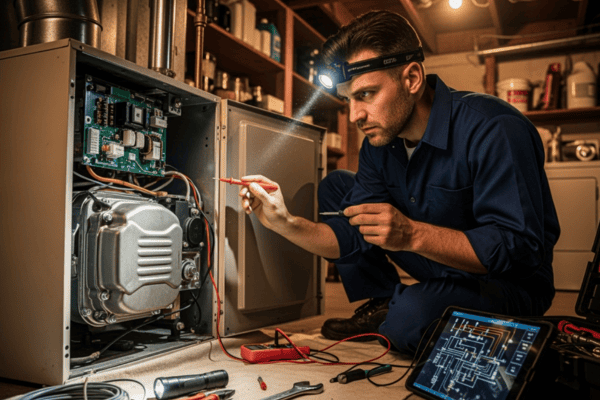
Early detection of HVAC problems can prevent costly emergency repairs
The Critical Warning Signs
Sign #1: Unusual Noises
Your HVAC system should operate relatively quietly. While you'll always hear some airflow and the gentle hum of the motor, certain sounds indicate serious problems:
- Grinding or scraping – Worn bearings in the blower motor or damaged components
- Squealing or screeching – Loose or worn belts, or motor bearing issues
- Banging or clanking – Loose parts, broken components, or debris in the system
- Hissing or whistling – Refrigerant leaks or ductwork issues
- Rattling – Loose panels, screws, or ductwork connections
What to do: Turn off the system immediately if you hear grinding or banging – continuing to run it can cause catastrophic damage. Call a professional for inspection.
High Priority – Call TodaySign #2: Sudden Spike in Energy Bills
If your energy bills have increased significantly without a corresponding change in usage or rates, your HVAC system is likely working harder than it should. Common causes include:
- Dirty filters restricting airflow
- Refrigerant leaks reducing cooling efficiency
- Failing components forcing the system to run longer
- Ductwork leaks losing conditioned air
- Aging system losing efficiency
What to do: First, check and replace your air filter. If bills remain high, schedule a professional inspection to identify the underlying cause.
Medium Priority – Schedule Within a WeekSign #3: Inconsistent Temperatures
Are some rooms too hot while others are too cold? Uneven heating or cooling throughout your home indicates several possible issues:
- Ductwork problems (leaks, blockages, or poor design)
- Improperly sized system
- Failing components (blower motor, compressor)
- Thermostat issues or poor placement
- Insufficient insulation in certain areas
What to do: Check that all vents are open and unobstructed. If the problem persists, have a technician evaluate your ductwork and system performance.
Medium Priority – Schedule SoonSign #4: Weak Airflow
If air barely comes out of your vents, your system is struggling. Weak airflow can be caused by:
- Clogged air filter (most common)
- Failing blower motor
- Blocked or collapsed ductwork
- Closed or blocked dampers
- Frozen evaporator coils
What to do: Replace the filter first. If airflow doesn't improve, the issue likely requires professional diagnosis. Don't ignore this – restricted airflow strains your system and can cause compressor failure.
Medium Priority – Address Within a WeekSign #5: Frequent Cycling (Short Cycling)
Does your system turn on and off constantly without completing a full heating or cooling cycle? This "short cycling" wastes energy and wears out components. Causes include:
- Oversized system (too powerful for your home)
- Thermostat problems or poor placement
- Low refrigerant levels
- Clogged air filter
- Frozen evaporator coils
- Electrical issues
What to do: Short cycling is hard on your system and significantly reduces its lifespan. Have a professional diagnose the cause promptly.
High Priority – Call This WeekSign #6: Strange Odors
Unusual smells coming from your vents should never be ignored. Different odors indicate different problems:
- Burning smell – Electrical issues, overheating components, or dust burning off (normal at season start, concerning if persistent)
- Musty or moldy odor – Moisture buildup, mold growth in ducts or unit
- Rotten egg smell – Natural gas leak – EVACUATE IMMEDIATELY
- Chemical or sweet smell – Refrigerant leak
- Sewage odor – Backed up sewer line or dry P-trap
What to do: For burning smells that persist more than an hour, turn off the system and call a technician. For gas smells, leave immediately and call your gas company from outside. For musty smells, schedule duct cleaning.
High Priority – Immediate Action RequiredSign #7: Excess Moisture or Leaks
Water pooling around your indoor unit or excessive condensation indicates drainage problems:
- Clogged condensate drain line
- Cracked or damaged drain pan
- Disconnected drain line
- Frozen evaporator coils melting
- High humidity levels
What to do: Water damage can be extensive and expensive. Address leaks immediately. You can try clearing a clogged drain line with a wet/dry vacuum, but persistent issues need professional attention.
High Priority – Address ImmediatelySign #8: Ice Buildup
Finding ice on your air conditioner or heat pump is never normal. Ice formation indicates:
- Low refrigerant levels (leak)
- Restricted airflow (dirty filter or blocked vents)
- Dirty evaporator coils
- Malfunctioning blower motor
- Outdoor temperatures too low for heat pump operation
What to do: Turn off the system to let the ice melt. Check and replace the filter. If ice returns after restarting, you have a refrigerant leak or other issue requiring professional repair.
High Priority – Call This WeekSign #9: System Age (10+ Years)
Even well-maintained HVAC systems have a finite lifespan. The average system lasts 15-20 years, but efficiency declines significantly after 10 years. Consider replacement if:
- Your system is 10-15 years old AND needs expensive repairs
- Energy bills are steadily increasing despite maintenance
- You're facing a major component failure (compressor, heat exchanger)
- Your system uses R-22 refrigerant (phased out, expensive to recharge)
What to do: Have a professional assess your system's condition. Sometimes a major repair makes sense; other times, replacement is more cost-effective long-term.
Plan Ahead – Budget for ReplacementSign #10: Frequent Repairs
If you're calling for repairs more than once a year, it's time to evaluate whether continued repairs make financial sense. The "$5,000 rule" is a helpful guideline:
Multiply the system's age by the repair cost. If the result exceeds $5,000, replacement is usually the better investment.
Example: A 12-year-old system needing a $600 repair = $7,200. Time to replace.
What to do: Keep repair records. When repair frequency increases, get quotes for both repair and replacement to make an informed decision.
Evaluate Your OptionsRepair vs. Replace: Making the Decision
When your system shows warning signs, you'll face the repair-or-replace decision. Here's a framework to help:
| Factor | Repair May Be Better | Replace May Be Better |
|---|---|---|
| System Age | Less than 10 years | More than 12-15 years |
| Repair Cost | Under $1,000 | Over $1,500 |
| Repair History | First major issue | Multiple recent repairs |
| Efficiency | Already high efficiency (14+ SEER) | Low efficiency (under 10 SEER) |
| Comfort | System meets your needs | Can't maintain comfortable temperatures |
| Energy Bills | Reasonable and stable | Consistently high and rising |
⚠️ Safety First: Carbon Monoxide
If you have a gas furnace, install carbon monoxide detectors on every level of your home. Symptoms of CO poisoning include headaches, dizziness, nausea, and confusion. If your detector alarms or you suspect a leak, evacuate immediately and call emergency services.
Preventive Maintenance: Your Best Defense
The best way to avoid emergency repairs is regular maintenance. Annual professional tune-ups can:
- Identify small problems before they become expensive failures
- Keep your system running at peak efficiency
- Extend equipment lifespan by 5-10 years
- Maintain manufacturer warranty coverage
- Improve indoor air quality
- Reduce energy costs by 10-25%
💡 Pro Tip
Schedule maintenance in spring (for AC) and fall (for heating) before peak season. You'll get better appointment availability, potential preseason discounts, and peace of mind when extreme weather hits.
Experiencing Warning Signs?
Don't wait for a complete breakdown. Our network of licensed HVAC professionals can diagnose problems quickly and recommend the most cost-effective solution – whether that's a repair or replacement.
Schedule Inspection NowFinal Thoughts
Your HVAC system communicates with you through these warning signs. Learning to recognize them – and responding promptly – can save you thousands of dollars, prevent dangerous situations, and ensure your home stays comfortable year-round.
When in doubt, call a professional. The cost of an inspection is always less than the cost of emergency repairs or replacing a system that failed prematurely due to neglect. Trust your instincts: if something seems off with your heating or cooling, it probably is.